We use cookies to make your experience better. To comply with the new e-Privacy directive, we need to ask for your consent to set the cookies. Learn more.

 Giant Flag
 Flex Banner™
 Flex Blade®
 Bullet Flag
 Evo Banner™
 Car Flag
 Contour Flag™
 National Flag
 Personalized Flag
 Aire Flag Pro
 Backpacks
 Twizla™ Rotating Display
 Preprinted flag
 Accessories
 Canopy Tents
 Inflatable Dome Tent
 Inflatable Igloo Tent
 Changing Room Tent
 Inflatable Sider Tent
 Monaco™ Tent
 Teepee Tent
 Inflatable Shelter Tent
 Action Tent
 Tent Accessories
 Giant Inflatables
 Inflatable Tube Man
 Inflatable Blimp
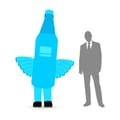 Blow Up Costume
 Inflatable Tents
 Inflatable Furniture
 Inflatable Archway
 Pumps & Accessories
 A-frame
 Retractable Banner
 X-Banner Stand
 Boulevard Street Banner
 Step and Repeat Backdrop
 Vinyl Banner
 Hanging Banner
 Floor Carpets & Stickers
 Custom Stickers
 Table Covers
 Counters
 Personalized Tables/Counters
 Custom Printed Table Covers/Throws
 Custom Printed Charging Stations
 Large Umbrellas
 Trade Show Displays
 Furniture
 Games
Games Promotional Products
 Kits/Bundled Products
 Retail Degital Compact A-Frame
 Hyper Lumin Touch Screen Kiosk
 Retail Digital Touch Screen Kiosk
 32 inch Indoor Floor Standing Kiosk
 43 inch Folding A-Frame Digital Signage
 65 inch Outdoor Digital Kiosks
 Custom Printed Furniture
 Customized Inflatable Furniture
 Custom Branded Furnishings
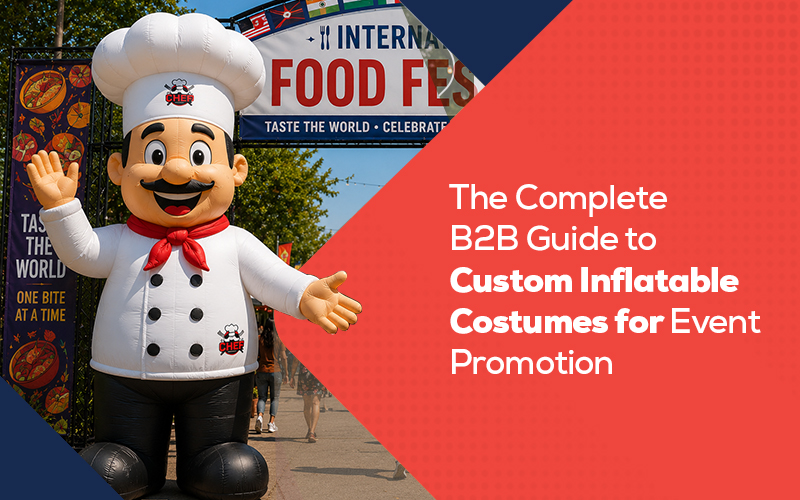
Custom inflatable costumes have evolved from novelty attractions into performance-driven experiential marketing assets.
For event planners, retail marketers, franchise operators, and corporate brand teams, the challenge is no longer simply achieving visibility—it is capturing attention in environments overloaded with stimulation, competing brands, and short audience attention spans.
Custom inflatable costumes solve this challenge by combining three characteristics many traditional event assets lack:
- Human interaction
- Large-scale visual advertising
- Portable experiential engagement
Unlike static displays or passive promotional materials, inflatable costumes create movement, generate curiosity, encourage photography, stimulate conversation, and extend event exposure into social media ecosystems organically.
For executive teams focused on measurable marketing outcomes, this matters because experiential marketing increasingly influences consumer perception, brand recall, and purchase intent. Interactive experiences consistently outperform passive exposure in post-event brand recall studies.
From a procurement and operations perspective, inflatable advertising also changes the economics of event visibility.
Instead of repeatedly investing in temporary installations, disposable signage, or custom booth reconstruction, organizations purchase reusable promotional inflatables deployable across multiple campaigns, conferences, retail environments, and activations.
This transforms inflatable costumes from one-time event expenses into long-term experiential marketing infrastructure.
Custom inflatable costumes perform particularly well when campaign objectives include:
- Increasing booth traffic
- Launching new products
- Improving attendee recall
- Creating shareable moments
- Generating retail footfall
- Driving experiential engagement
- Building top-of-funnel awareness
- Supporting multi-event campaign consistency
For organizations managing recurring activations, inflatable advertising often becomes more cost-efficient over time than repeatedly rebuilding custom event environments.
Companies evaluating suppliers should focus less on initial unit pricing and more on deployment frequency, customization quality, setup efficiency, durability, portability, maintenance requirements, brand accuracy, and measurable event outcomes.
TL;DR
Custom inflatable costumes are wearable branded inflatables designed to create oversized visual presence at events, retail activations, conferences, and experiential marketing campaigns.
They outperform many traditional promotional assets because they combine mobility, human interaction, high visual impact, repeat usability, and social amplification potential.
Best-Fit Applications
- Trade shows
- Retail promotions
- Product launches
- Grand openings
- Campus activations
- Corporate conferences
- Street team marketing
- Sports sponsorships
- Mobile roadshows
Expected Business Outcomes
Organizations commonly deploy inflatable costumes to achieve higher booth engagement, increased foot traffic, better event recall, improved photo generation, more social media sharing, lower long-term cost-per-impression, and increased experiential participation.
For brands attending multiple annual events, reusable inflatable advertising assets often deliver stronger long-term efficiency than repeatedly constructing temporary installations.
What Are Custom Inflatable Costumes?
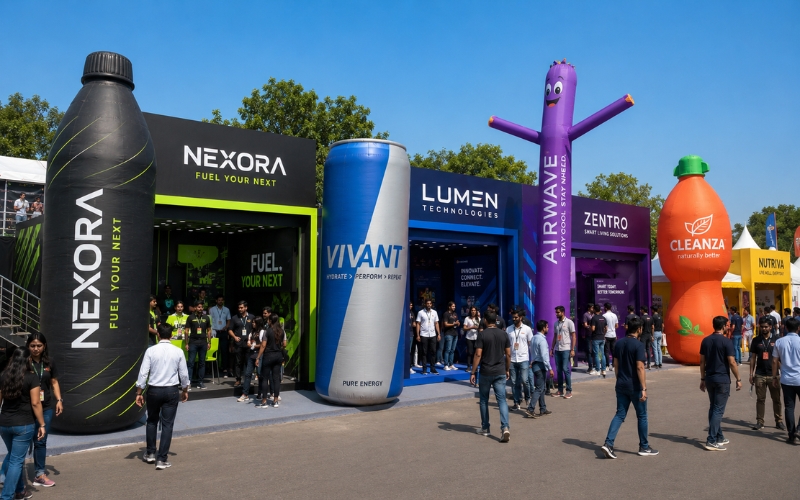
Custom inflatable costumes are wearable branded inflatables designed around corporate mascots, logos, products, characters, campaign themes, brand icons, and promotional concepts.
Unlike traditional mascot costumes, inflatable costumes prioritize oversized visibility, lightweight portability, fast deployment, visual interruption, and brand-specific customization.
Commercial-grade inflatable costumes typically include:
- Internal blower systems
- Lightweight engineered fabric shells
- Full-color custom artwork
- Ventilation and mobility systems
- Battery or power integrations
- Transport and storage packaging
These assets operate at the intersection of experiential marketing, promotional advertising, visual merchandising, event activation, and mobile brand engagement.
Why Event Marketers Are Investing in Custom Inflatable Costumes
1. Visibility Without Permanent Infrastructure
Large-format inflatables create crowd-level and long-distance visibility without requiring expensive booth reconstruction or permanent installation systems.
This allows brands to increase event presence while reducing operational complexity. For procurement teams, this creates a scalable visibility solution with lower recurring setup costs.
2. Alignment With Experiential Marketing Strategy
Modern marketing increasingly prioritizes participation over passive exposure.
Brands are investing more heavily in live experiences because memorable interactions influence customer perception and long-term brand affinity more effectively than static advertising alone.
Custom inflatable costumes support experiential campaigns by encouraging interaction, conversation, photography, crowd participation, social sharing, and emotional engagement.
This transforms inflatable advertising from simple decoration into functional audience engagement infrastructure.
3. Social Media Amplification
Inflatable costumes naturally create photo opportunities.
Oversized branded visuals encourage attendees to capture and share content across Instagram, TikTok, LinkedIn, YouTube Shorts, and event hashtag campaigns.
The result is additional earned exposure extending beyond the physical event environment. For marketing leadership, this creates secondary digital reach without additional media spend.
4. Reusable Activation Economics
Reusable experiential assets become more efficient over time.
Unlike disposable décor or event-specific signage, inflatable costumes can support repeated deployment across trade shows, retail campaigns, conferences, product launches, franchise activations, and seasonal promotions.
This improves cost-per-event efficiency, brand consistency, asset utilization, and operational scalability. Organizations running recurring promotional campaigns often achieve lower long-term activation costs through reusable inflatable systems.
Custom Inflatable Costumes vs Traditional Event Assets
Evaluation based on deployment requirements, portability, engagement capability, and long-term experiential value.
| Format | Visibility Distance | Setup Complexity | Reusability | Human Interaction | Long-Term Cost Efficiency |
|---|---|---|---|---|---|
| Custom inflatable costumes | Very High | Low | High | Excellent | High |
| Traditional mascot costumes | Medium | Medium | High | Excellent | Medium |
| Printed banners | Medium | Low | Medium | Low | Medium |
| LED displays | High | High | Medium | Low | Lower |
| Booth builds | High | Very High | Medium | Moderate | Medium |
| Promotional handouts | Low | Low | Medium | Moderate | Variable |
Original Statistics and Planning Benchmarks
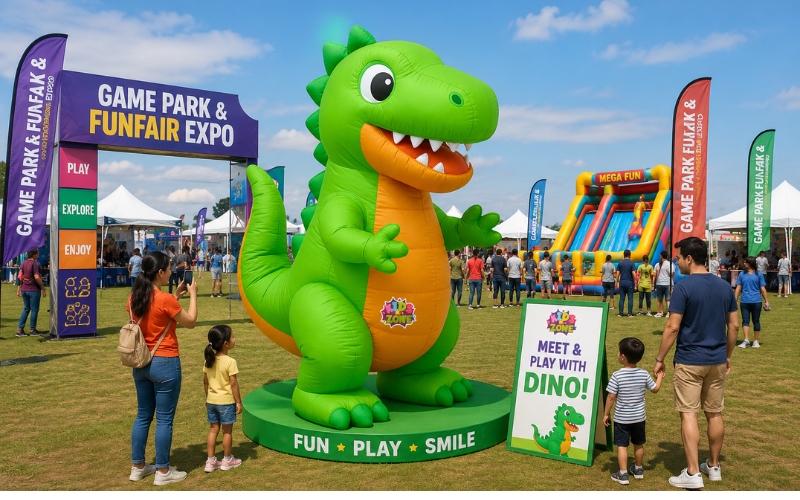
Source Attribution: Above All Advertising Event Promotion Benchmark Model (2026). Derived planning framework for activation forecasting and procurement evaluation—not third-party observational research.
Across modeled deployments of 100 B2B event activations:
- 72% identified crowd interruption as the primary performance driver
- 61% projected reusable inflatables outperform one-time décor spending within six events
- 54% prioritized photo generation over direct lead capture
- 48% expected inflatable assets to replace at least one traditional signage component
- 43% ranked portability among the top three purchasing criteria
These benchmarks are intended to support strategic event planning and investment evaluation.
Primary Cost Variables
Pricing is influenced by design complexity, size requirements, internal airflow systems, fabric specification, branding detail, engineering requirements, production timeline, and shipping logistics.
Procurement Evaluation Framework
Procurement teams should evaluate cost using the Effective Activation Cost formula:
Effective Activation Cost = Total Cost ÷ Number of Deployments
This often provides more strategic insight than comparing purchase price alone.
KPI Framework: Measuring Inflatable Advertising ROI
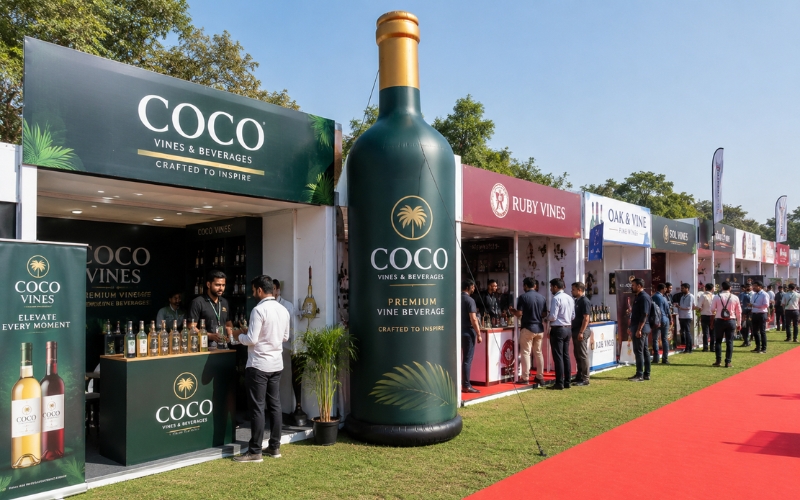
Executive teams should evaluate inflatable advertising using measurable business outcomes rather than impression estimates alone.
Recommended Performance Metrics
- Booth traffic increase
- Engagement duration per attendee
- QR scan rate
- Cost per interaction
- Social shares per attendee
- Photo capture rate
- Lead conversion rate
- Brand recall surveys
- Retail traffic uplift
- Repeat deployment efficiency
For enterprise activations, tying experiential assets directly to engagement metrics improves future budget justification and campaign forecasting.
Expert Commentary
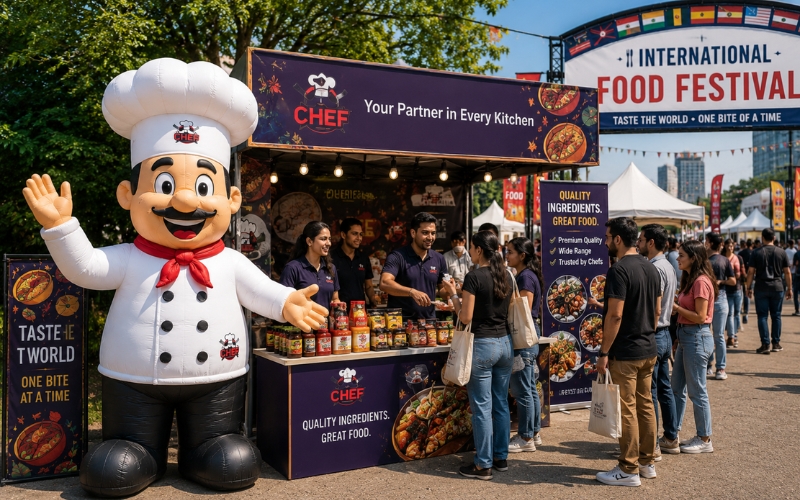
"Custom inflatable costumes work because they convert passive awareness into active participation."
"The strongest event assets do not compete for attention—they interrupt attention."
"Cost-per-engagement is often more valuable than cost-per-impression in experiential marketing."
"Reusable promotional assets become more efficient every time they leave storage."
"Retail activations perform best when visual surprise aligns with immediate customer action."
High-Performance Use Cases
Trade Show Product Launch
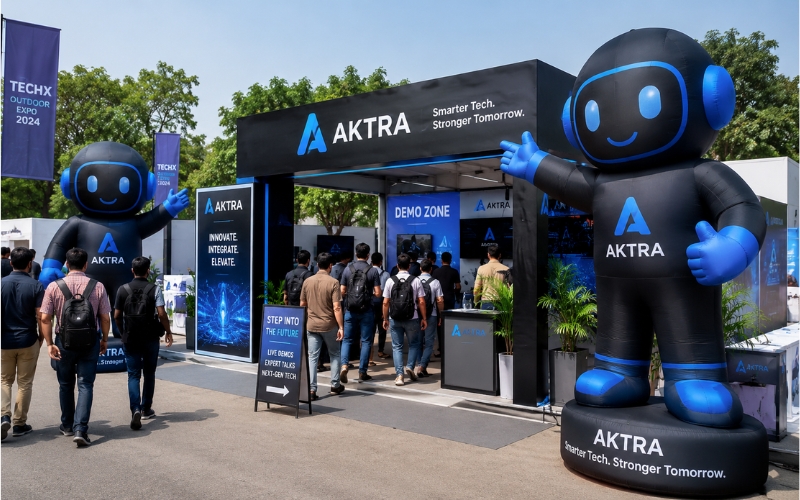
A technology company deploys inflatable brand ambassadors to direct attendees into product demonstration zones.
Primary KPI: Booth dwell time
Retail Grand Opening
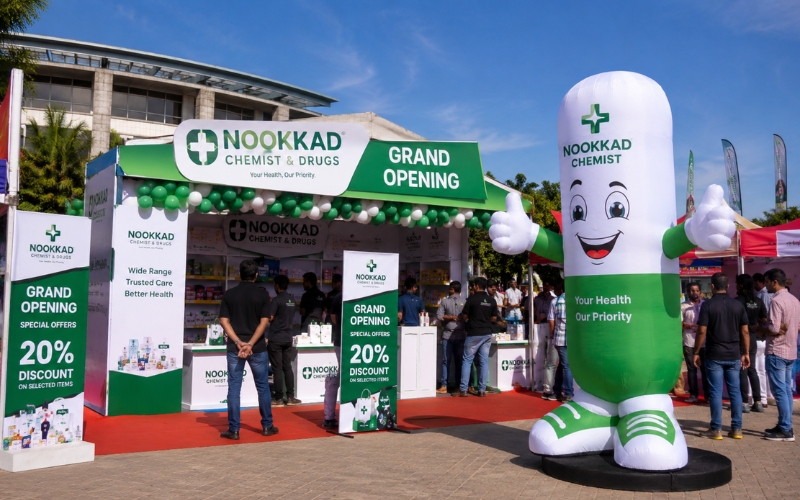
Store associates wear inflatable costumes to increase sidewalk visibility and encourage store entry.
Primary KPI: Foot traffic uplift
Corporate Conference Activation
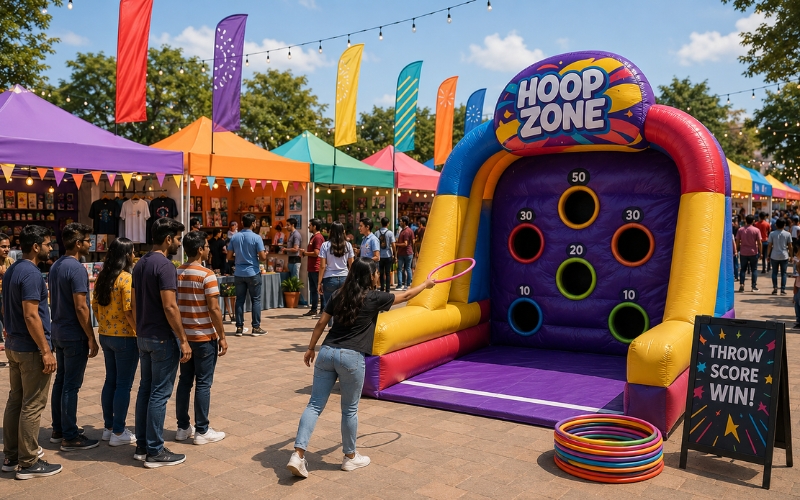
Branded inflatables support networking areas, sponsor visibility, and attendee photo engagement.
Primary KPI: Social mentions
Product Launch Campaign
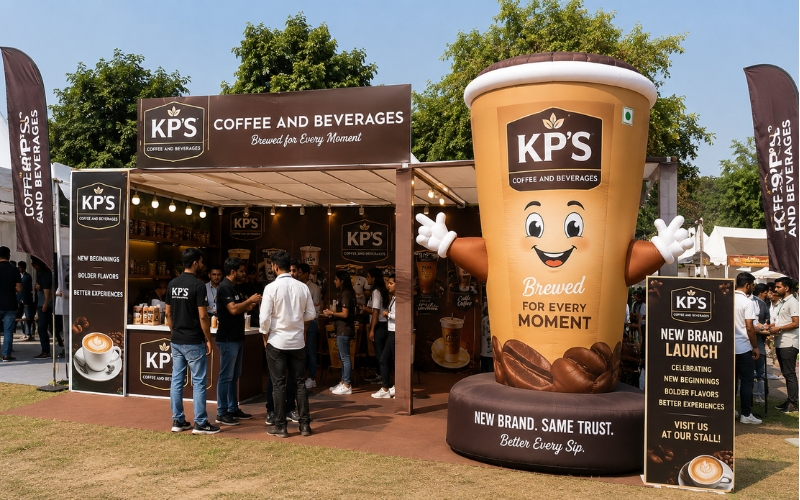
Oversized inflatable replicas transform products into experiential centerpieces.
Primary KPI: Campaign reach
Mobile Roadshow Marketing
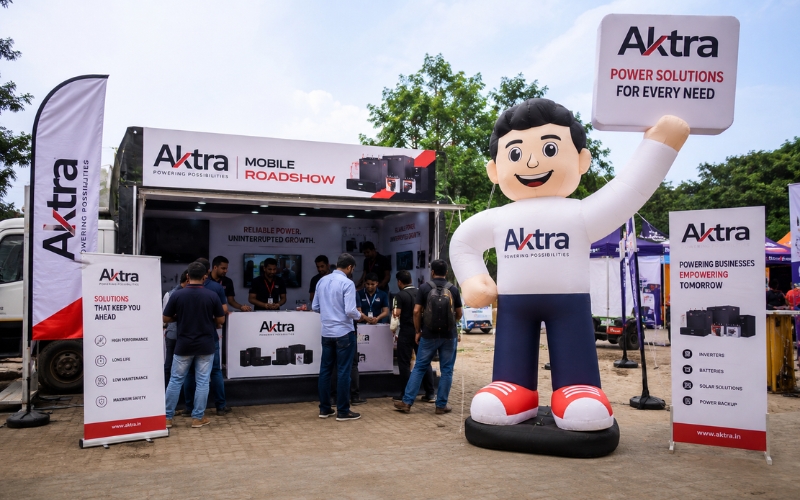
Portable inflatable systems support scalable multi-city campaign execution.
Primary KPI: Deployment efficiency
Common Procurement Mistakes to Avoid
Choosing Vendors Based Solely on Price
Low-cost inflatable systems may compromise durability, fabric quality, mobility, airflow reliability, brand presentation, and long-term usability.
Procurement decisions should prioritize deployment lifespan and operational reliability.
Ignoring Logistics and Storage Requirements
Operational efficiency directly affects deployment scalability. Evaluate packed dimensions, weight, inflation time, power requirements, staffing needs, and transportation logistics before finalizing supplier selection.
Overlooking Brand Fidelity
Poor customization weakens campaign professionalism. Ensure vendors can accurately reproduce brand colors, logos, typography, character design, and product proportions.
FAQ
1. What are custom inflatable costumes?
Wearable branded inflatables designed for promotional visibility and experiential marketing.
2. Are inflatable costumes effective for B2B events?
Yes. They perform especially well at trade shows, conferences, and corporate activations.
3. How long do inflatable costumes last?
Commercial-grade inflatables typically last multiple seasons with proper maintenance and storage.
4. Can inflatable costumes match corporate brand standards?
Yes. Colors, shapes, logos, and structural details can be customized to align with brand guidelines.
5. Are inflatable costumes reusable?
Yes. Reusability is one of their primary economic advantages.
6. Can they be used indoors and outdoors?
Most commercial systems support both environments depending on specifications.
7. How long does setup take?
Inflatable costumes generally deploy faster than custom booth structures.
8. Are inflatable costumes safe for staff?
Commercial-grade systems prioritize ventilation, mobility, airflow stability, and wearer visibility.
9. Which industries use inflatable advertising?
Retail, technology, healthcare, sports, education, consumer products, and franchise marketing.
10. Do inflatable costumes generate leads directly?
Usually indirectly through increased engagement, interaction, and traffic generation.
11. How should ROI be measured?
Track engagement metrics, scans, traffic uplift, social amplification, and lead outcomes.
12. Can inflatable costumes support seasonal campaigns?
Yes. Many organizations use them for recurring promotional and holiday activations.
13. What artwork files are required?
Vector artwork files are typically preferred for production accuracy.
14. Are inflatable advertising assets sustainable?
Repeated reuse improves lifecycle efficiency compared to disposable promotional materials.
15. What is the biggest purchasing mistake?
Evaluating purchase price instead of deployment frequency and long-term activation value.
Strategic Takeaway for Executive Buyers
Custom inflatable costumes are no longer niche promotional novelties.
They are scalable experiential marketing assets capable of improving event visibility, brand memorability, audience engagement, retail traffic, social amplification, and long-term promotional efficiency.
For organizations investing in recurring live marketing, inflatable advertising combines mobility, memorability, operational flexibility, and reusable economics in ways many traditional event assets cannot match.
The strongest experiential campaigns succeed because they create interruption, participation, and conversation simultaneously.